
HMRC shuts down repayment agent
HMRC has previously announced an increase in protective measures for individuals dealing with so-called “repayment agents”. Now, one such agent has been ordered to cease trading. What’s the full story, and what do you need to do if you have a claim in progress?
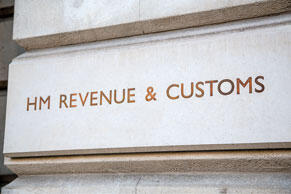
Repayment agent ads have become a common sight in recent years, particularly on social media. You’ll recognise them by their style, usually along the lines of “Do you wear a uniform to work? You could be owed £1,000s from HMRC…” or similar. While many such agents are genuine, the industry has come in for criticism due to practices that are, at best, questionable, e.g. requiring refunds to be made directly to the agent’s account.
More seriously, HMRC is concerned that some of these “firms” are really just a front for money laundering. All tax agents (and other professionals, including accountants and solicitors) must comply with anti-money laundering regulations, including being registered with a supervisory authority. HMRC has found one agent, Tax Credits Limited, to have seriously breached these requirements and ordered the company to cease trading as a repayment agent. It's estimated that around 11,000 individuals had commenced refund claims via the company. HMRC will now write to these individuals to update them. The refunds will be automatically made by HMRC, so you don’t need to do anything if you are one of those affected.
Related Topics
-
Give your children a cheap mortgage
Your son is struggling to get on the property ladder and current mortgage interest rates are making it harder. You’re over the inheritance tax (IHT) threshold but you’re reluctant to give him the money because you’ve heard horror stories about others losing half of it in a divorce. Is a family loan the solution for both of you?
-
Loan Charge settlement offers begin to land
HMRC has begun sending formal settlement offers to individuals and employers with outstanding Loan Charge liabilities, alongside detailed new guidance explaining how offers will be calculated and how long recipients have to respond. What’s the full story?
-
The hidden income tax benefit of marriage
You recently got married and a relative joked that you can save lots of money because of the tax breaks for married couples. As a newlywed are you entitled to a reduction in your income tax bill?

 This website uses both its own and third-party cookies to analyze our services and navigation on our website in order to improve its contents (analytical purposes: measure visits and sources of web traffic). The legal basis is the consent of the user, except in the case of basic cookies, which are essential to navigate this website.